Unlock Someone’s Happiness When You Donate To Help Pets And Families
2/2/20266 min read
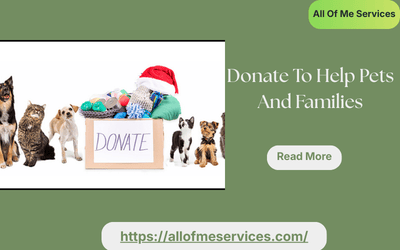
Communities grow stronger when people support one another in meaningful ways. Acts of giving create lasting connections between those who need help and those who want to make a difference. Many individuals today seek reliable ways to offer support that reaches both people and animals in need. When you choose to donate to help pets and families, you take part in a shared effort to bring comfort, stability, and hope into everyday lives.
Across the country, many households struggle to meet basic needs while also caring for their pets. For some families, animals are not just companions but a source of emotional support and routine. When families face housing insecurity, job loss, or health challenges, the well-being of their pets often becomes uncertain as well. Understanding this link between people and animals helps explain why many support systems now focus on both.
Why People Choose to Donate To Help Pets And Families
Many donors feel a strong connection to causes that reflect compassion and shared responsibility. When people see how families and pets depend on each other, they often feel motivated to act. This type of giving recognizes that well-being extends beyond basic survival and includes emotional security, companionship, and dignity.
Communities rely on organized networks to deliver support efficiently. These networks include shelters, food banks, housing programs, and veterinary services. Each plays a role in addressing specific needs while contributing to a broader system of care. Donors who seek to donate to help pets and families often want assurance that their contributions support reliable programs that understand these interconnected needs.
Understanding the Role of Donation Organizations Homeless
Support networks often depend on coordinated efforts among multiple groups. Donation organizations homeless work to connect resources with people and pets who lack stable housing. These organizations focus on providing essential services while also addressing the underlying causes of homelessness.
Their work often includes partnerships with local shelters, clinics, and community centers. Through these partnerships, they create systems that offer food, medical care, counseling, and housing support. By understanding how donation organizations homeless operate, donors can better appreciate the scope of their impact and the importance of sustained support.
How Charities That Help Low-Income Families Support Stability
Families facing financial hardship often encounter complex challenges that affect multiple aspects of daily life. Charities that help low income families work to address these challenges through coordinated programs. Their efforts typically focus on meeting immediate needs while promoting self-sufficiency and resilience.
These charities may offer food assistance, housing support, educational resources, and access to healthcare. By providing consistent and reliable services, they help families maintain stability during difficult times. When pets are involved, these programs often extend support to include veterinary care and pet supplies, recognizing the importance of animals in family life.
The Connection Between Family Stability and Pet Well-Being
Pets often serve as emotional anchors for families, especially during times of stress. Their presence can offer comfort, routine, and a sense of normalcy. When families face housing instability or financial strain, concerns about pet care can add to the emotional burden.
Support programs that address both family and pet needs recognize this connection. They aim to prevent situations where families must choose between their own well-being and the care of their animals. This integrated approach helps preserve family unity and promotes healthier outcomes for both people and pets.
How Communities Benefit From Informed Giving
Informed giving strengthens communities by ensuring that resources reach those who need them most. When donors take the time to understand the missions and methods of support organizations, they help create more effective and sustainable programs.
Community-based initiatives often rely on consistent support to maintain operations and expand services. This stability allows organizations to plan for the future, invest in staff training, and develop new programs that address emerging needs. Informed donors play a key role in this process by providing reliable funding and advocacy.
The Importance of Transparency and Trust
Trust plays a central role in charitable giving. Donors want assurance that their contributions are used responsibly and align with stated goals. Organizations that prioritize transparency help build this trust by sharing information about their programs, finances, and impact.
Clear communication allows donors to understand how their support translates into real-world outcomes. This understanding fosters confidence and encourages continued engagement. When donors trust the organizations they support, they are more likely to remain involved and advocate for their missions.
How Individuals Can Participate in Community Support
Participation in community support extends beyond financial contributions. Individuals can also engage through volunteering, advocacy, and education. These forms of involvement help raise awareness and strengthen local networks of care.
Volunteers often provide direct assistance, such as distributing food, offering companionship, or supporting administrative tasks. Advocates work to promote policies and programs that address the root causes of homelessness and poverty. Educators share information that helps others understand these issues and the ways they can contribute
FAQs
What does it mean to support both pets and families at the same time?
Supporting both pets and families means contributing to programs that recognize the connection between people and their animals. These programs aim to meet basic needs while also preserving family unity.
How do donation organizations homeless differ from traditional charities?
Donation organizations homeless often focus on providing immediate support to people and pets without stable housing. They work directly within communities to address urgent needs while also connecting individuals to long-term resources.
Why are charities that help low-income families important?
Charities that help low-income families address a range of challenges that affect daily life. They provide resources such as food, housing support, and education to promote stability.
How can donors ensure their contributions are used responsibly?
Donors can review organizational reports, financial statements, and impact summaries to understand how funds are used. Transparency and clear communication from organizations help build trust.
What role does community involvement play in these efforts?
Community involvement strengthens support systems by adding local knowledge and personal connections. Volunteers, advocates, and educators contribute time and expertise.
Conclusion
Acts of giving reflect a shared commitment to compassion, dignity, and community well-being. When individuals choose to donate to help pets and families, they support programs that recognize the deep connections between people and animals. Through informed giving, transparency, and community involvement, donors help build systems that respond to both immediate needs and long-term challenges. By supporting trusted networks and organizations, individuals contribute to a future where families and their pets can thrive together. This commitment aligns with the mission of All Of Me Services, which works to promote care, stability, and hope within communities. For more details and information you can send us an email at allofmeservices@gmail.com or can give us a call at (775)444-1771.